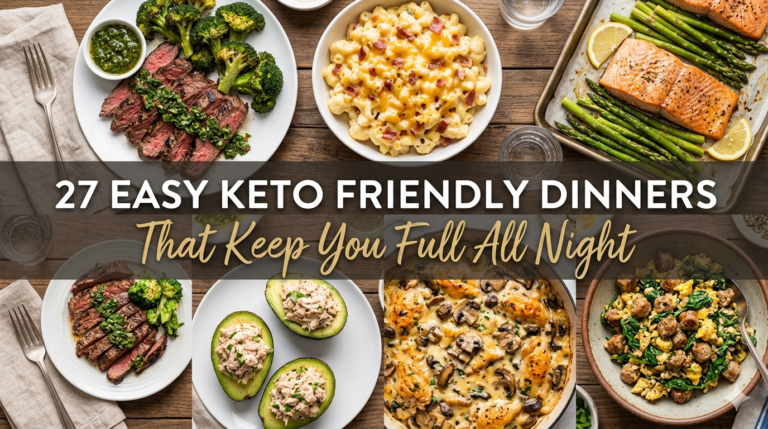
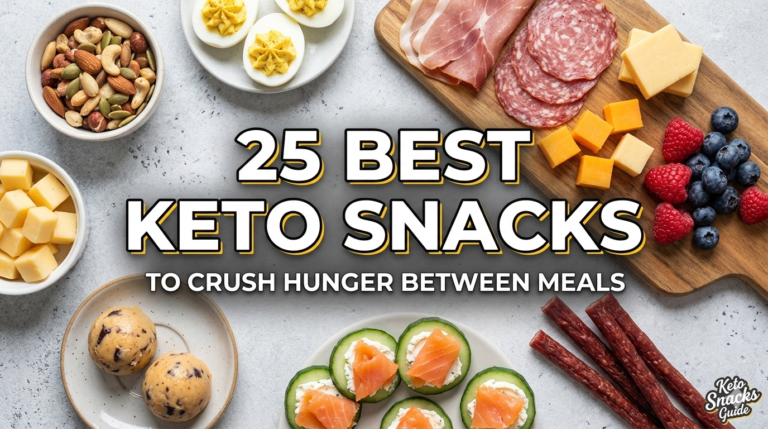
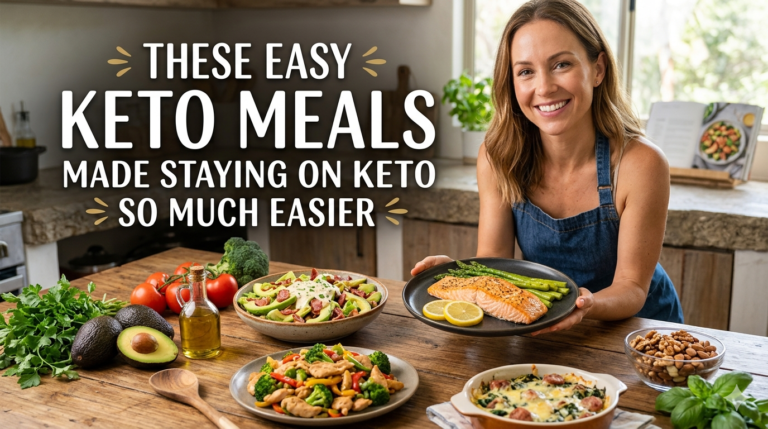
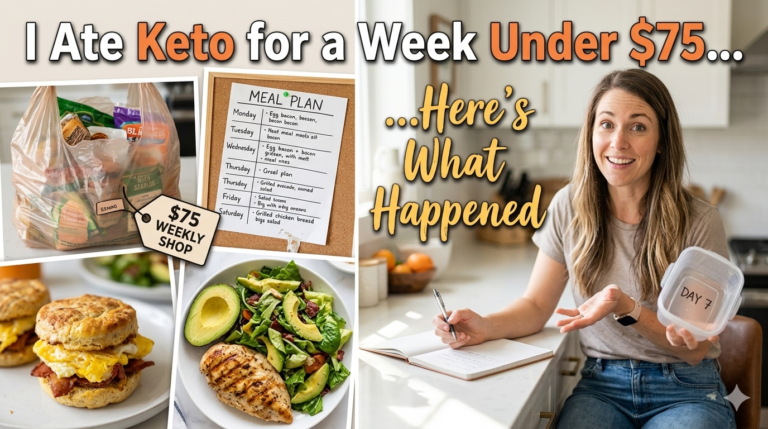
The ketogenic diet is one of the most talked-about eating styles in the world — and one of the most misunderstood. Most people assume it is complicated, expensive, or only for people already into fitness. None of that is true.
Keto is simply a way of eating that swaps carbohydrates for fat as your body’s primary fuel source. When done correctly, it puts your body into a metabolic state called ketosis — where stored fat becomes the main thing you burn for energy, all day, every day.
This guide covers everything a beginner needs: what to expect in your first 30 days, how to start without feeling overwhelmed, what to buy at the grocery store, and how keto compares to other popular diets. By the end, you will have a clear, actionable picture of whether this is the right approach for you — and exactly how to begin.
⚡ Key Takeaways
- Keto keeps carbs under 20–50g net carbs per day and replaces them with healthy fats
- Week 1 results are mostly water weight — real fat burning starts in weeks 2–4
- You do not need expensive specialty foods — most keto staples are basic grocery items
- Keto beats low-carb and paleo for fast fat loss, but requires more precision
- Most beginners quit in week 1 due to keto flu — which is 100% preventable
Keto Diet Results: What to Expect in Your First 30 Days

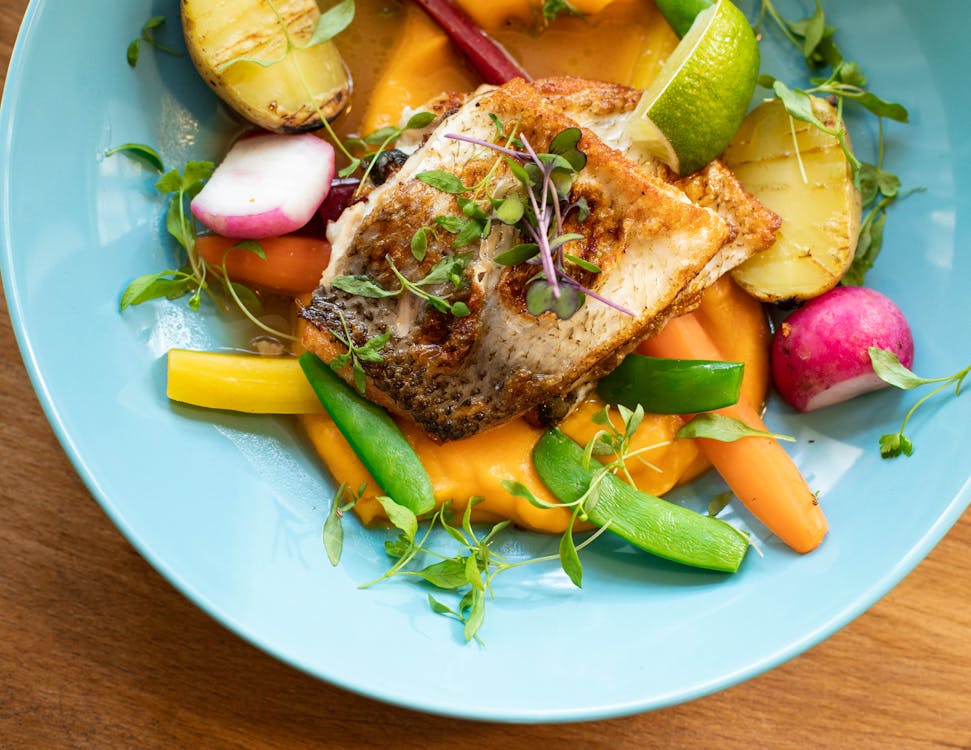
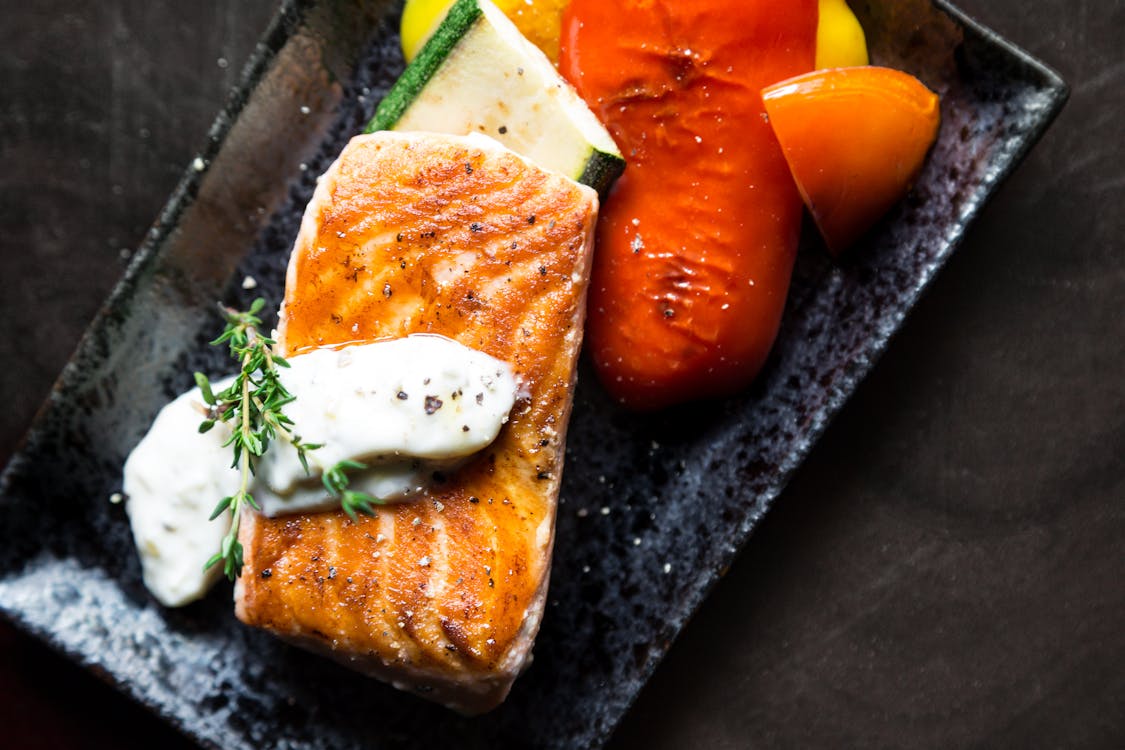
The core keto plate: healthy fats, quality protein, minimal carbs
Most people start keto for weight loss, but the results you will experience go well beyond the scale. Here is an honest, week-by-week breakdown of what actually happens when a beginner goes keto.
Week 1: Water Weight Drops Fast
In your first 3–5 days, your body burns through stored glycogen (the sugar your muscles hold on to). Every gram of glycogen holds about 3–4 grams of water. When that glycogen is gone, that water leaves too. Most beginners lose 3–8 pounds in week one — but this is water, not fat.
This is also the week the infamous keto flu can hit — headaches, fatigue, brain fog. This is not your body rejecting keto. It is your body adjusting to lower insulin and losing electrolytes. The fix is simple: drink more water, eat more salt, and take magnesium. Most people skip this step and quit unnecessarily.
| Week |
What Happens |
What You Feel |
| Week 1 |
Glycogen depletion, water weight loss |
Possible fatigue, fast scale drop |
| Week 2 |
Body enters full ketosis, fat burning begins |
Energy starts stabilizing, hunger decreases |
| Week 3–4 |
True fat adaptation begins |
Mental clarity, steady energy, fewer cravings |
| Day 30 |
6–15 lbs total loss (average), body composition improving |
Confident, energized, clothes fitting differently |
Weeks 2–4: Real Fat Burning Starts
By week two, your liver is actively producing ketone bodies from stored fat. Your hunger drops noticeably — not because you are starving, but because fat and protein are far more satiating than carbs. Many beginners report that they forget to eat, which was unthinkable before keto.
By weeks three and four, you become fat-adapted. This means your muscles and brain have fully shifted to burning fat and ketones for fuel. You will notice steadier energy throughout the day, sharper mental focus, and fewer afternoon crashes. This is where keto stops feeling like a diet and starts feeling like a lifestyle.
“Most beginners quit in week one before the benefits even begin. The people who push through to day 14 almost never quit.”
🔥 Beginner Tip
Starting keto? Give your metabolism the extra push it needs.
The first 30 days on keto are when your body is most actively shifting its metabolism. Many beginners use a natural fat-burning support formula during this window. CitrusBurn is formulated with natural citrus extracts to support fat metabolism during low-carb eating — no stimulants, no artificial ingredients.
Learn About CitrusBurn →
How to Start Keto Without Feeling Overwhelmed: Beginner Action Plan
The number one reason beginners fail at keto is not that the diet is hard. It is that they try to do too much at once. They buy 12 specialty ingredients, attempt a complex recipe on day one, hit a problem, and give up.
Here is a simple, realistic action plan that works:
Step 1: Understand Your One Rule
Keep your net carbohydrates under 20 grams per day for the first two weeks. That is the only rule that matters at the start. Do not worry about calories, intermittent fasting, macros, or anything else. Just hit the carb limit and everything else will begin to fall into place.
Step 2: Clear Your Kitchen
Remove the foods that will trip you up when you are tired or hungry: bread, pasta, rice, cereal, chips, cookies, juice, and anything with sugar in the first three ingredients. You do not need to throw them away — just move them out of visible reach.
Step 3: Build Three Go-To Meals
You do not need 30 keto recipes in week one. You need three meals you know how to make confidently. Suggestions:
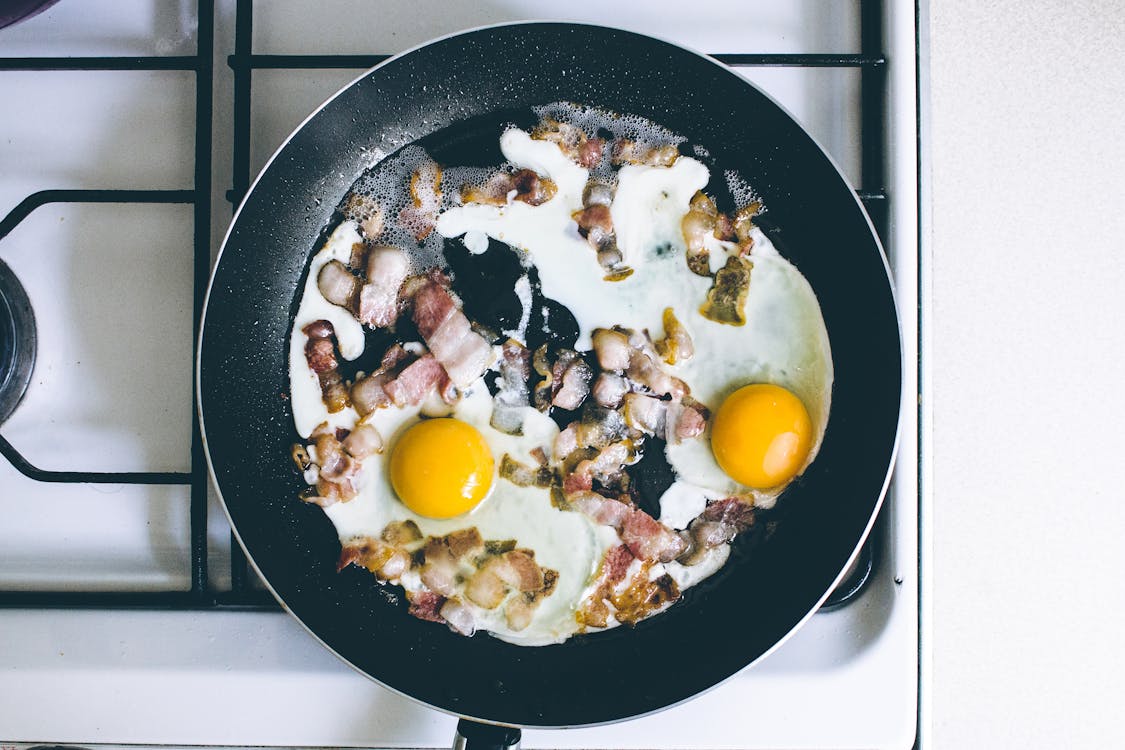
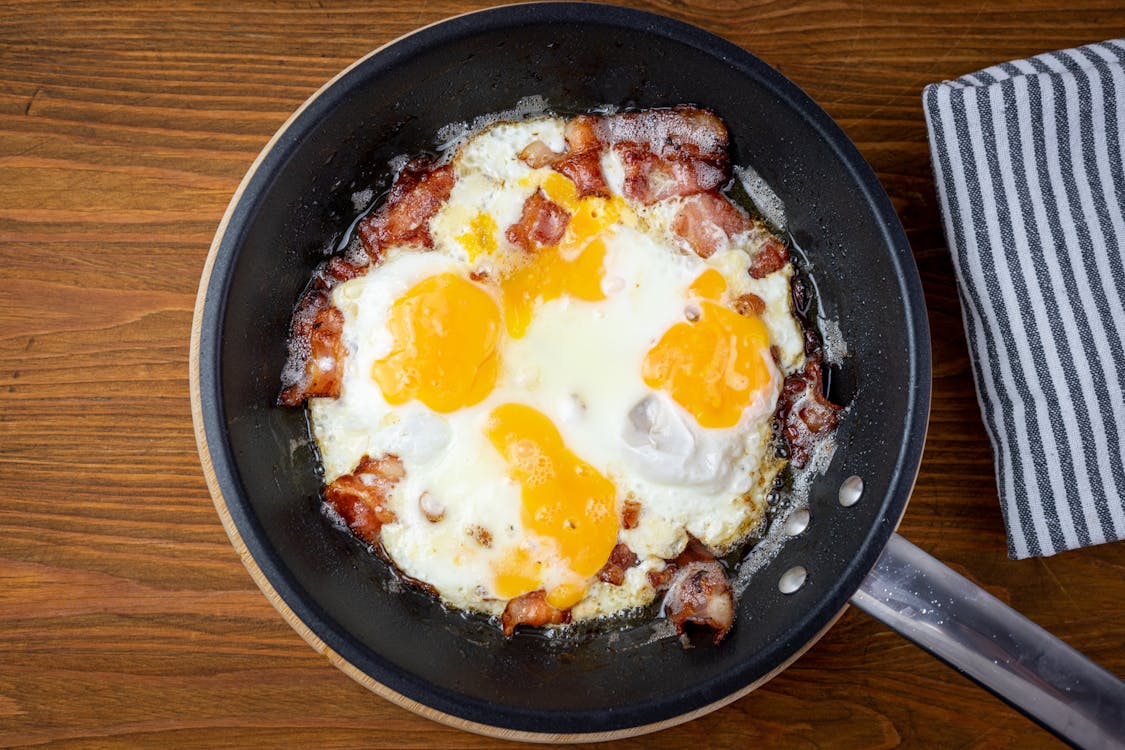
- Breakfast: Scrambled eggs with butter and bacon. Add avocado if you want more fat.
- Lunch: Grilled chicken thighs on a bed of spinach with olive oil and feta cheese.
- Dinner: Ground beef cooked with onion, garlic, and broccoli in butter. Season with salt and pepper.
Step 4: Prevent Keto Flu Before It Starts
Add extra salt to your food from day one. Drink at least 8–10 glasses of water per day. Take a magnesium supplement (glycinate or citrate, not oxide). These three steps prevent 90% of keto flu symptoms before they begin.
Step 5: Track for the First 14 Days Only
Use a free app like Cronometer or Carb Manager to log what you eat for the first two weeks. Not to obsess over numbers, but to learn which foods have hidden carbs. After two weeks, most people know their staples well enough to estimate without tracking.
Keto Eat vs. Avoid at a Glance
| ✅ EAT FREELY |
⚠️ EAT IN MODERATION |
❌ AVOID |
| Eggs (all styles) |
Berries (small amounts) |
Bread, pasta, rice |
| Beef, chicken, pork, lamb |
Nuts (track portions) |
Sugar (all forms) |
| Salmon, sardines, tuna |
Onion, garlic (small) |
Potatoes, corn, peas |
| Avocado, olive oil, butter |
Heavy cream (measure) |
Juice, soda, beer |
| Cheese (most varieties) |
Dark chocolate 85%+ |
Fruit (most, in excess) |
| Leafy greens, broccoli |
Greek yogurt (plain) |
Beans, legumes, oats |
📌 Continue Reading
Keto Meal Prep & Meal Plan Ideas for Easy Low-Carb Eating
Once you know the basics, meal prep is what keeps you consistent. This guide shows you exactly how to prep a full week of keto meals in under 2 hours — so you never reach for the wrong food when you are hungry and short on time.
Keto Grocery List for Beginners: Save Money & Stay on Track
The biggest myth about keto is that it is expensive. In reality, the core keto foods — eggs, ground beef, chicken thighs, canned tuna, broccoli, spinach, butter — are among the most affordable items in any grocery store. Keto gets expensive only if you buy specialty snacks, branded keto products, and premade items.
Here is a complete beginner grocery list. This covers two weeks of solid keto eating for one person on a tight budget.
🥩 Proteins (Buy These First)
- Eggs — Buy the largest carton you can find. You will eat these every day.
- Ground beef (80/20) — The fat content keeps it keto. Leaner cuts need added fat.
- Chicken thighs (skin-on) — Far more keto-friendly than skinless breast. More fat, more flavor.
- Bacon — Check the label: avoid brands with added sugar in the cure.
- Canned tuna and salmon — Cheap, high protein, zero carbs. Perfect for quick lunches.
- Sardines in olive oil — One of the most nutrient-dense keto foods available. Overlooked but excellent.
🥑 Fats & Oils
- Avocados — Buy 4–6 per week. Rich in fat, potassium, and fiber.
- Butter (grass-fed if budget allows) — Cook everything in it.
- Olive oil (extra virgin) — For dressings and low-heat cooking.
- Coconut oil — High smoke point, good for frying.
- Heavy whipping cream — Replaces milk in coffee, sauces, and desserts.
🥦 Vegetables (Low-Carb Only)
- Spinach and mixed greens — Almost zero net carbs. Use as a base for everything.
- Broccoli — 4g net carbs per cup. The most useful keto vegetable.
- Zucchini — 3g net carbs. Can be spiralized as pasta or sliced for stir fry.
- Cauliflower — 3g net carbs. Makes excellent rice, mash, and pizza crust alternatives.
- Bell peppers (in small amounts) — 4–6g net carbs. Use half a pepper at a time.
- Asparagus — 2g net carbs per serving. Easy to roast in butter.
🧀 Dairy
- Cheddar, mozzarella, and parmesan — Low carb, high fat, versatile.
- Cream cheese — Used in sauces, dips, and keto desserts.
- Plain full-fat Greek yogurt — 5–7g carbs per serving. Works as a condiment or snack.
💰 Budget Tips for Keto Beginners
- Buy chicken thighs, not breasts. They cost less and have more fat.
- Frozen vegetables are just as nutritious as fresh — and significantly cheaper.
- Buy eggs and ground beef in bulk when on sale. Both freeze well.
- Avoid branded “keto snack” products in the first month. They are expensive and unnecessary.
- Canned tuna and sardines are the cheapest high-quality protein on the shelf.
💡 Smart Addition
You’re eating right. Now support the process from the inside.
Once your food is dialed in, a clean fat-metabolism supplement can help amplify what you are already doing. CitrusBurn uses a natural citrus-based formula — no fillers, no chemicals — designed to work alongside a low-carb diet, not replace it.
See CitrusBurn’s Full Ingredients →
Keto vs Low Carb vs Paleo: Which Diet Is Best for Beginners?
If you have been researching diets, you have likely seen these three terms thrown around interchangeably. They are not the same. Understanding the differences will help you pick the right approach for your goals, your lifestyle, and your personality.
| Factor |
Keto |
Low Carb |
Paleo |
| Daily Carb Limit |
20–50g net |
50–150g net |
No strict limit |
| Primary Focus |
High fat, ketosis |
Reduce carbs |
Ancestral foods |
| Dairy Allowed? |
✅ Yes |
✅ Yes |
❌ Usually No |
| Legumes Allowed? |
❌ No |
⚠️ Limited |
❌ No |
| Speed of Results |
🏆 Fastest |
Moderate |
Moderate |
| Precision Required |
High (track carbs) |
Moderate |
Low |
| Best For |
Fast fat loss |
Easy sustainability |
Whole food eating |
Keto: Strictest, Fastest Results
Keto requires the most precision — you must stay under 20–50g net carbs daily to maintain ketosis. If you go over, you exit ketosis and the fat-burning metabolic switch turns off. This makes keto the most effective diet for rapid fat loss, but also the one that punishes mistakes most quickly.
Keto is best for you if: you want fast, measurable results, you are willing to track carbs, and you do well with clear rules rather than vague guidelines.
Low Carb: More Flexible, Easier to Maintain
Low carb simply means reducing carbohydrates — usually to under 100–150g per day. There is no specific metabolic state to maintain, so the diet is more forgiving. You will still lose weight and improve blood sugar, but results come slower than keto.
Low carb is best for you if: you want a lifestyle change you can sustain indefinitely without feeling restricted, and you are okay with slower, steadier progress.
Paleo: Whole Foods, No Carb Counting
Paleo is built around eating what our ancestors allegedly ate — meat, fish, vegetables, fruits, nuts, and seeds. No grains, legumes, dairy, or processed foods. Unlike keto, you do not count carbs — fruit is allowed, sweet potatoes are allowed. The emphasis is food quality over macros.
Paleo is best for you if: you dislike tracking, you want to eat whole unprocessed foods, and fat loss speed is less important than long-term dietary habits.
“The best diet is the one you will actually stick to. But if you want the fastest fat-burning results with the clearest structure, keto wins — if you follow it correctly.”
🌿 Worth Considering
Whichever diet you choose — your metabolism is the foundation.
Keto, low carb, or paleo all work better when your body is burning efficiently. CitrusBurn is a natural formula designed to support fat metabolism — making your clean diet work even harder without changing what is already on your plate.
Try CitrusBurn Risk-Free →
Conclusion
Keto is not magic, but it is backed by real metabolic science. When you cut carbs low enough, your body has no choice but to switch to fat as fuel. That switch is what drives the fast early results, the hunger reduction, and the sustained energy that make keto different from typical calorie-restriction diets.
The beginner mistakes — skipping electrolytes, not planning meals, quitting in week one — are all avoidable. The grocery list is straightforward and affordable. The comparison with other diets shows that keto delivers the fastest results for those willing to follow it precisely.
You do not need a perfect plan to start. You need a simple one. Use this guide, follow the beginner action plan, stock your kitchen with the right foods, and give it 30 days. The results will do the rest of the convincing.
Frequently Asked Questions
How many carbs can I eat on keto per day?
+
For beginners, keep net carbs under 20 grams per day for the first two weeks. Net carbs = total carbs minus fiber. After you are fully fat-adapted (usually weeks 3–4), some people can increase to 30–50g and stay in ketosis — but 20g is the safest starting point to guarantee results.
How long does it take to enter ketosis?
+
Most people enter ketosis within 2–4 days of cutting carbs below 20g. However, fully becoming fat-adapted — where your body efficiently burns fat and ketones — takes 3–6 weeks. The scale drop in week one is mostly water weight. Real fat loss accelerates after week two.
What is keto flu and how do I avoid it?
+
Keto flu is a group of symptoms — headache, fatigue, brain fog, muscle cramps — that occur in the first 3–7 days as your body adjusts to burning fat. It is caused by electrolyte loss (sodium, potassium, magnesium). Prevent it by: salting your food heavily, drinking 8–10 glasses of water daily, and taking a magnesium supplement (glycinate or citrate). Most people who experience keto flu skipped the electrolyte step.
Can I drink coffee and alcohol on keto?
+
Coffee: Yes — black coffee has zero carbs and can actually support ketone production. Add heavy cream or butter (bulletproof style) for a keto-friendly boost. Avoid sugar, flavored syrups, and oat milk. Alcohol: Pure spirits (vodka, gin, tequila, whiskey) have zero carbs. Dry wine has 2–4g per glass. Beer and cocktails are generally too high in carbs for keto. Alcohol also temporarily pauses fat burning while your liver processes it, so keep consumption occasional.
Is keto safe long-term?
+
Research suggests keto is safe for most healthy adults over months to years when done with whole foods. Concerns exist around cholesterol in some individuals, kidney stress if protein is too high, and nutrient gaps if vegetables are neglected. People with type 1 diabetes, pancreatic conditions, or those on insulin should consult a doctor before starting. For the majority of healthy beginners, a properly structured keto diet poses minimal risk and significant benefits.
How is keto different from just eating low carb?
+
The key difference is ketosis. Low carb reduces carbs but does not necessarily switch your body into fat-burning mode. Keto is strict enough (under 20–50g net carbs) to trigger ketosis — where your liver produces ketone bodies that replace glucose as your brain and body’s primary fuel. Low carb gives gradual results. Keto activates a specific metabolic state that accelerates fat loss significantly.
My name is Hamza Waheed, and I am an SEO expert with over 7+ years of experience in search engine optimization and the keto blogging industry. I specialize in creating SEO-driven content focused on keto recipes, low-carb living, and organic traffic growth. I combine technical SEO skills with practical health and nutrition content to deliver useful and engaging information for readers.